Fast Job Search: Best Methods to Find Jobs in India
Introduction
Finding a good job in India can feel challenging, especially when hundreds of candidates apply for the same position. Whether you are a fresher, a college student, or an experienced professional, searching for employment requires proper planning and consistent effort.
A fast job search is not about applying randomly to hundreds of vacancies. It is about finding suitable opportunities, creating an impressive resume, and connecting with the right employers. Today, online job portals, LinkedIn, recruitment agencies, and company career pages make it easier to discover employment opportunities across India.
In this guide, you will learn practical methods to search for jobs, improve your applications, prepare for interviews, and avoid common mistakes. These strategies can help you find suitable opportunities faster and improve your chances of getting hired.
What Is Fast Job Search and How Does It Work?
Fast job search is a planned approach to finding employment opportunities quickly and efficiently. Instead of spending hours browsing unrelated vacancies, job seekers focus on positions matching their qualifications, interests, and experience.
The process usually begins with identifying suitable job roles and preparing a professional resume. Candidates then search trusted employment websites, submit relevant applications, and communicate with recruiters.
For example, a commerce graduate looking for an accounting job can search specifically for junior accountant, accounts assistant, or finance executive positions. Using relevant keywords, location filters, and job alerts makes the process more organised.
A successful fast job search combines smart searching, customised applications, and regular follow-ups. Although it cannot guarantee immediate employment, it can reduce wasted effort and help candidates discover better opportunities.
Why Is Fast Job Search Important in India?
India has a large and diverse employment market, with opportunities in information technology, banking, healthcare, education, manufacturing, retail, and other industries. However, finding a suitable position can take time because employers often receive numerous applications for each vacancy.
A structured fast job search helps candidates concentrate on relevant opportunities rather than applying everywhere. It is particularly useful for fresh graduates entering the workforce, unemployed professionals seeking financial stability, and employees looking for better career opportunities.
Searching efficiently also helps candidates identify required skills, understand employer expectations, and prepare for recruitment processes. Rather than rushing through applications, job seekers should focus on improving application quality while maintaining a consistent search routine.
Best Methods for Fast Job Search in India
Several practical methods can make job searching more productive. Combining multiple approaches often works better than depending on a single website. Use online job portals Platforms such as Naukri, Indeed, and LinkedIn help candidates discover vacancies across industries.
Visit company career pages Many employers advertise available positions directly on their official websites. Build professional connections Former colleagues, teachers, classmates, and industry professionals may share useful information about vacancies.
Ask for employee referrals A referral can help your application reach the appropriate recruitment team, although it does not guarantee selection. Attend job fairs Recruitment events provide opportunities to interact with employers and learn about available roles.
Choose methods that match your career goals and dedicate time to them consistently.
Top Job Search Websites in India for 2026
Online employment platforms are useful tools for anyone starting a fast job search in India.
Here are five websites worth exploring:
Naukri.com
Naukri is a popular Indian employment platform where candidates can search for opportunities in IT, finance, marketing, administration, and other fields.
Indeed India
Indeed allows users to search job listings using keywords, company names, and locations. It is useful for exploring different employment categories.
LinkedIn Jobs
LinkedIn combines professional networking with recruitment opportunities. Candidates can follow companies, discover vacancies, and communicate with recruiters.
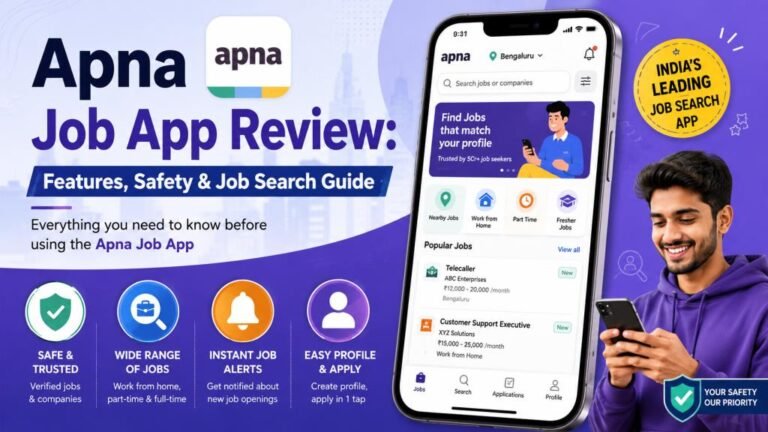
Apna
Apna focuses on employment opportunities across several categories, including sales, customer support, retail, and entry-level roles.
National Career Service
The Government of India’s National Career Service portal provides job listings, career guidance, and information about recruitment events.
Using two or three suitable platforms regularly is often more manageable than creating accounts everywhere.
How to Find a Job Quickly in India
Finding employment quickly requires clear goals and a realistic daily routine. Begin by deciding which positions match your education, skills, and expected salary. Select preferred locations such as Delhi, Mumbai, Bengaluru, Hyderabad, Pune, or your hometown.
Next, prepare an updated resume and create complete profiles on relevant job websites. Search for recently advertised vacancies and read each job description carefully before applying. Prioritise positions where you meet most of the essential requirements. Customise your resume to highlight the experience or skills requested by each employer.
Keep a simple spreadsheet recording company names, positions, application dates, and responses. Review your progress weekly. If applications receive no replies, improve your resume or reconsider your target positions instead of repeating the same approach.
Fast Job Search Tips for Freshers and Students
Freshers often struggle to find employment because they have limited professional experience. However, employers also consider communication skills, academic projects, technical knowledge, and willingness to learn.
Students should begin exploring career opportunities before completing their studies. Internships, apprenticeships, volunteering, and college projects can provide valuable practical experience.
A fresher interested in digital marketing, for example, can build a small portfolio containing sample social media campaigns or SEO projects. Campus placement programmes and college alumni networks are additional resources worth exploring.
During a fast job search, freshers should target trainee positions, internships, graduate programmes, and genuine entry-level vacancies. The goal is to demonstrate relevant abilities and learning potential rather than focusing only on previous employment.
How to Find Jobs in India Without Experience
Not having work experience does not mean you cannot find a suitable job. Many entry-level positions allow candidates to develop practical skills while working. Start by identifying your existing abilities. These might include computer knowledge, communication, typing, customer handling, graphic design, or basic accounting.
Then search for positions such as customer support associate, office assistant, sales trainee, junior content writer, or data entry operator. Free or affordable courses can help strengthen your qualifications. Practical projects can also demonstrate your abilities to employers.
For example, someone applying for a content writing position can prepare three original writing samples. When submitting applications, highlight your education, certifications, projects, and willingness to learn. Be realistic about starting positions and focus on opportunities offering genuine career development.
How to Create an ATS-Friendly Resume for Job Applications
An applicant tracking system (ATS) helps employers organise and review job applications. Some systems also support searching or ranking candidates based on job-related information. An ATS-friendly resume should be simple, readable, and relevant to the position.
Use standard headings such as Education, Work Experience, Skills, and Certifications. Avoid complicated layouts, unnecessary graphics, and decorative fonts that may cause parsing problems. Include relevant keywords from the job description naturally, but never claim qualifications you do not possess.
For example, if a position requires Microsoft Excel, data analysis, and reporting, mention these skills when you genuinely have them. Keep your resume concise and use bullet points to explain responsibilities and achievements.
Before submitting, check spelling, contact information, dates, and file-format requirements. A well-prepared resume can support a more effective fast job search.
How to Use LinkedIn for Fast Job Search
LinkedIn is valuable for discovering professional opportunities and building relationships with recruiters. Start by creating a complete profile with a professional photograph, clear headline, education details, skills, and relevant work experience.
Your headline should describe your professional interests. For example, a fresher might use “Commerce Graduate | Accounting and Finance Enthusiast.” Follow companies in your preferred industry and explore their career announcements.
Use LinkedIn’s job search filters to find vacancies based on location, experience level, and work arrangement. You can also connect with recruiters and professionals working in your target industry. When contacting someone, introduce yourself politely and explain your reason for connecting.
Regularly updating your profile and engaging professionally can increase your visibility to relevant employers.
How to Find Work-from-Home and Remote Jobs in India
Remote employment allows eligible professionals to work outside a traditional office, depending on company policies and job requirements. Opportunities may exist in customer service, software development, digital marketing, content writing, design, and online education.
To begin your fast job search for remote positions, use work-location filters on LinkedIn, Indeed, and other trusted platforms. Search phrases such as “remote customer support India” or “work from home content writer” can produce more targeted results.
Read job descriptions carefully to confirm whether positions are fully remote, hybrid, or restricted to particular locations. Check working hours, equipment requirements, salary details, and employment conditions.
Be cautious about advertisements promising unusually high income for minimal work. Genuine remote jobs still require relevant skills, accountability, and professional responsibilities.
Best Ways to Search for Government and Private Jobs
Government and private-sector recruitment often follow different procedures. For government opportunities, check official recruitment websites such as the Union Public Service Commission (UPSC), Staff Selection Commission (SSC), and relevant state public service commissions.
The National Career Service portal also provides employment-related resources. Government recruitment may involve eligibility checks, competitive examinations, document verification, and interviews, depending on the position.
Private companies usually follow their own selection processes, which may include resume screening, assessments, and interviews. For private-sector jobs, explore corporate career pages, job portals, recruitment events, and professional referrals.
Always check eligibility criteria, application deadlines, and official notifications before applying. A fast job search is especially useful for private vacancies with shorter recruitment cycles, while government recruitment generally requires longer-term preparation.
How to Set Up Job Alerts and Apply for Jobs Faster
Job alerts help candidates discover relevant vacancies without manually repeating every search. Most major employment platforms allow users to save searches or receive notifications about new opportunities. Create alerts based on your preferred job title, city, experience level, and industry.
For example, a candidate seeking employment in Pune could create alerts for “Junior Accountant Pune” and “Accounts Executive Pune.” Use a dedicated email address for job applications to keep recruitment messages organised. Check alerts daily, but avoid applying automatically without reading the requirements.
Prepare a master resume and adjust relevant sections for different positions. Maintain records of completed applications and follow up politely when appropriate. These habits make the fast job search process more organised while reducing missed opportunities.
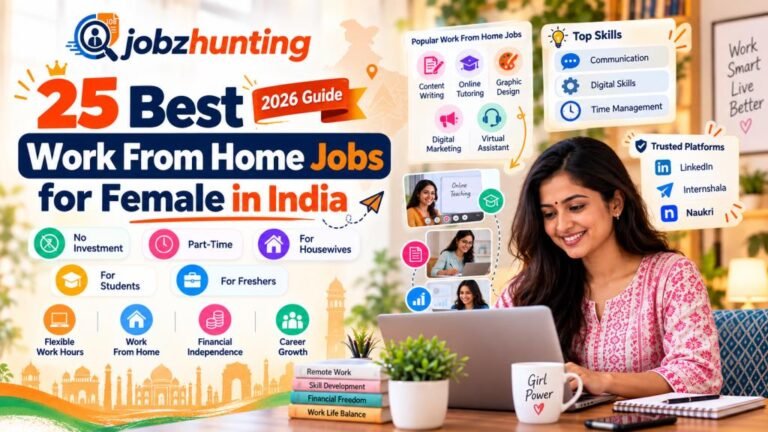
Read More: 25 Best Work From Home Jobs for Female in India
How to Prepare for Job Interviews and Get Hired Faster
Receiving an interview invitation is an important step, but preparation influences how confidently candidates perform. Start by researching the company, its products or services, and the responsibilities of the advertised position.
Practise answering common questions, including “Tell me about yourself,” “Why should we hire you?” and “What are your strengths?” Prepare specific examples demonstrating your problem-solving abilities, teamwork, and relevant achievements.
Freshers can discuss academic projects, internships, or extracurricular activities. Experienced professionals should highlight measurable accomplishments. For online interviews, test your internet connection, microphone, and camera beforehand.
Dress appropriately, arrive on time, and communicate clearly. After the interview, a short professional thank-you message can show appreciation and continued interest.
Common Job Search Mistakes You Should Avoid
Even qualified candidates can reduce their chances of success by making avoidable mistakes. One common error is submitting the same generic resume for every vacancy. Employers need to understand how your background matches their requirements.
Another mistake is applying for positions without reading eligibility criteria. Some candidates also ignore their email inbox, miss recruiter calls, or fail to prepare for interviews. Depending exclusively on one job portal can limit opportunities.
Unprofessional email addresses, incomplete LinkedIn profiles, and spelling mistakes may also create poor impressions. During a fast job search, focus on application quality instead of application quantity alone.
Review unsuccessful applications, identify possible weaknesses, and improve your strategy regularly. Consistency, attention to detail, and realistic expectations are more useful than rushing without direction.
How to Avoid Fake Job Offers and Recruitment Scams
Job seekers in India should remain cautious when responding to unfamiliar recruitment advertisements. Fraudsters sometimes impersonate established companies, recruitment agencies, or government organisations.
Be suspicious of guaranteed employment promises, unusually high salaries, and requests for advance payments. Verify the employer’s official website, recruitment email address, and company details before sharing personal information.
Never disclose OTPs, banking passwords, or sensitive financial information to unknown recruiters. Avoid downloading suspicious attachments or installing unfamiliar applications simply to attend an interview.
The National Career Service confirms that its registration, job applications, and related employment services are free. If you suspect recruitment fraud, stop communicating and report the incident through appropriate official channels.
Protecting your personal information is an essential part of a safe and successful fast job search.
Frequently Asked Questions
How can I find a job quickly in India?
Answer: Create an updated resume, identify suitable positions, register on trusted job portals, and apply consistently. Networking and employee referrals can also help you discover opportunities.
Which website is best for fast job search in India?
Answer: Naukri, LinkedIn, Indeed, Apna, and National Career Service are useful options. The best choice depends on your industry, experience, and preferred job location.
Can freshers find jobs without experience?
Answer: Yes. Freshers can apply for internships, trainee programmes, and entry-level positions. Relevant skills, academic projects, and certifications can strengthen their applications.
Can I get a job within seven days?
Answer: It is possible to receive interviews or even an offer within seven days, but no timeline is guaranteed. Hiring speed depends on employers, qualifications, and available vacancies.
Is LinkedIn useful for finding jobs in India?
Answer: Yes. LinkedIn helps candidates explore vacancies, connect with recruiters, follow companies, and discover professional opportunities.
How can I find genuine work-from-home jobs?
Answer: Use reputable job platforms, verify employers, read employment conditions carefully, and avoid opportunities requesting suspicious payments or sensitive information.
How many jobs should I apply for daily?
Answer: There is no fixed number. A few carefully selected, relevant applications may be more productive than dozens of rushed applications.
Is fast job search suitable for experienced professionals?
Answer: Yes. Experienced candidates can use targeted applications, industry contacts, LinkedIn, and referrals to explore opportunities that match their expertise.
Conclusion
A successful fast job search requires more than visiting employment websites and submitting resumes. It involves understanding your strengths, selecting suitable opportunities, preparing professional applications, and staying consistent.
For Indian job seekers, trusted portals, company websites, networking, job alerts, and interview preparation can make the process more efficient. Freshers should highlight their skills and learning potential, while experienced professionals should focus on relevant achievements and career goals.
Remember that finding the right job may take time. Stay patient, avoid suspicious offers, and continue improving your approach. With proper planning and consistent effort, you can make your job search more focused, productive, and rewarding.